MARLPIT PRESSIndependent Publisher
Anthony Berkeley Cox
Anthony Berkeley was born Anthony Berkeley Cox at Watford, Hertfordshire, on 5 July 1893. He grew up in a prosperous medical and educational household and attended Rose Hill School, Sherborne School, and University College, Oxford. He later guarded his private life carefully, preferring pseudonyms, anonymity, and limited publicity.
His mother’s family supplied the name Francis Iles, which Berkeley eventually used for his most radical psychological crime novels. That pseudonym came from family history rather than from a random literary invention.
From puzzle maker to critic of the puzzle
As Anthony Berkeley, Cox became one of the most inventive Golden Age detective novelists. His Roger Sheringham books repeatedly test the confidence with which clues, motives, and solutions are assembled. The Poisoned Chocolates Case is the most famous example, offering multiple plausible solutions to the same crime.
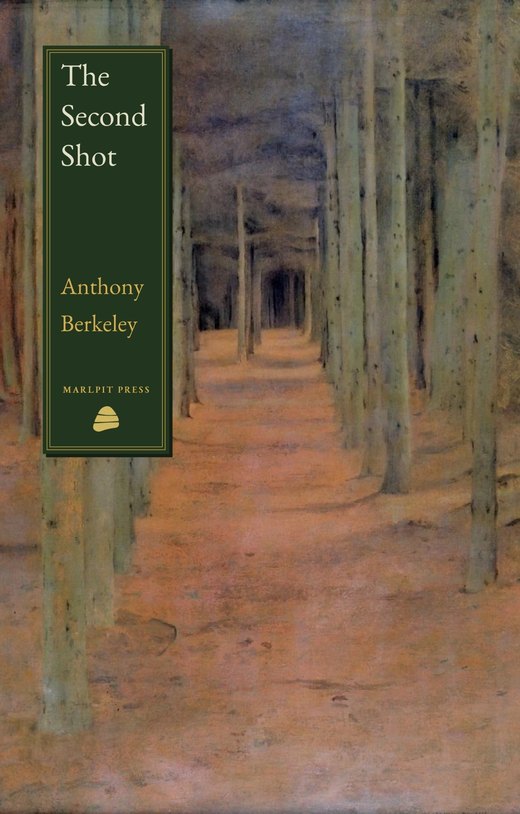
By 1930 Berkeley was openly dissatisfied with a detective story built only from alibis, clocks, and physical clues. In the prefatory manifesto to The Second Shot he argued for a “puzzle of character,” a form in which personality itself becomes evidence. The experiment is imperfect, which is part of its historical value: the book records a genre writer trying to invent his way out of his own successful formula.
Francis Iles and the Detection Club
The following year, writing as Francis Iles, Berkeley published Malice Aforethought and moved much more decisively toward psychological and inverted crime fiction. Before the Fact followed and was later adapted by Alfred Hitchcock as Suspicion.
Berkeley was also a driving force behind the Detection Club, the famous association of British crime writers. He therefore occupied a curious double position: he helped institutionalize the classic Golden Age puzzle while simultaneously pushing against its limits.