 MARLPIT PRESSIndependent Publisher
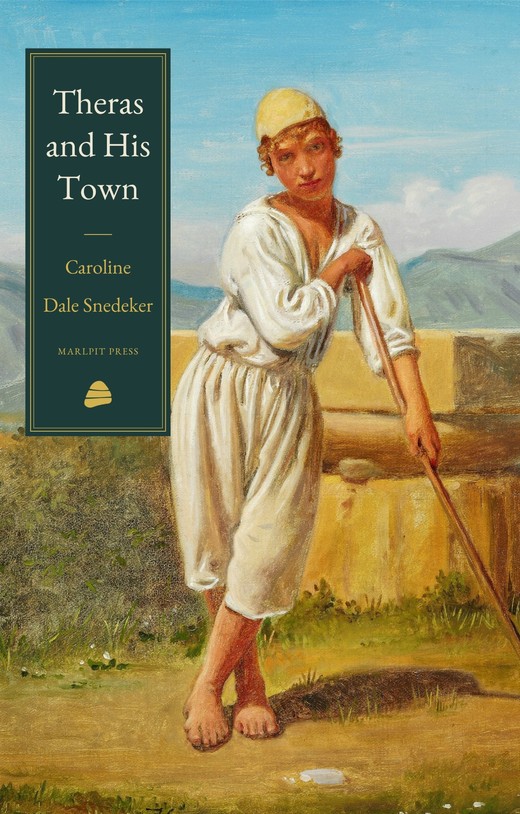
Athens vs. Sparta in Theras and His Town
Snedeker’s most effective teaching trick is simple: she makes the reader love Athens before forcing both Theras and the reader to live inside Sparta.
Athens has to become home first
The novel begins with ordinary life because the later exile depends on it. Theras’s Athens is school, family, music, games, temples, friends, the marketplace, the Acropolis, his father’s pride, and the familiar order of the streets.
Only after the reader has acquired that home emotionally does Snedeker take it away.
Sparta is experienced as a system of formation
In Sparta, Theras encounters a society organized around military readiness, communal discipline, endurance, hunger, obedience, and the subordination of private feeling to the state.
The contrast is deliberately sharp. Snedeker wants a child to understand that political institutions and educational customs shape the kind of human being a community produces.
The comparison reflects Snedeker’s own values
Her Athens is idealized as artistic, humane, sociable, free-speaking, musical, and intellectually alive. Her Sparta uses historically attested customs but selects them to create a strong foil.
Modern families should therefore use the novel as historically informed imaginative reconstruction, then compare it with current scholarship. That does not diminish the book’s educational value. It gives students a chance to distinguish a compelling historical interpretation from neutral description.
Why this works in classical Christian education
The novel invites a question classical educators already care about: what is education for? Athens and Sparta embody competing answers about courage, obedience, beauty, freedom, speech, music, family, citizenship, and the good life.
Because those themes are embodied in a child’s experience, they can be discussed at a level far deeper than a simple “Athens good, Sparta bad” comparison.
Research basis
This note is based on the source-critical research assembled for the Marlpit Press edition and, where noted, current curriculum-provider listings.
- Theras and His Town, 1924
- The Spectator, 1925 review
- Caroline Dale Snedeker and Theras and His Town research dossier
Continue reading
Theras and His Town · Caroline Dale Snedeker biography · Christian homeschool classics · All research notes