 MARLPIT PRESSIndependent Publisher
Edward Gordon Selwyn and Liberal Anglo-Catholicism
Selwyn helped define an interwar Anglican position that wanted to be fully Catholic and fully critical at the same time.
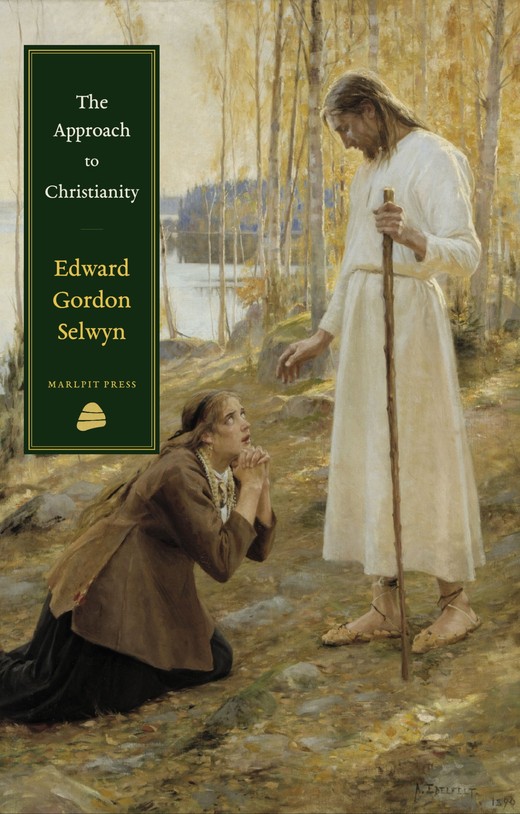
What “liberal Anglo-Catholic” means here
Selwyn’s theology is Catholic in its commitment to historic doctrine, sacramental religion, the corporate Church, worship, and continuity with the Christian past.
It is liberal in its willingness to accept historical criticism, psychology, scientific knowledge, and intellectual freedom as legitimate parts of theological inquiry.
Beyond a choice between modernism and fundamentalism
The attraction of Selwyn’s position is that he refuses to make the debate a choice between insulating inherited formulations from criticism and dissolving Christianity into modern culture.
The index to The Approach to Christianity itself places modernism and fundamentalism inside the same intellectual field as patristic theology, Anglican divines, biblical critics, psychologists, and philosophers.
Theology as a liberal Catholic forum
Selwyn became editor of Theology in 1920. The journal gave institutional form to the kind of Anglican synthesis he was pursuing.
It was a setting in which historical scholarship, doctrinal theology, spirituality, ecclesiology, and contemporary intellectual life could be argued together rather than kept in separate compartments.
Essays Catholic and Critical
In 1926 Selwyn edited Essays Catholic and Critical. Its title expresses the program directly: Catholic Christianity without the refusal of criticism.
The volume consciously continued a strand of Anglican theology that had already tried to assimilate historical criticism while maintaining the Creed, the Incarnation, and the sacramental life of the Church.
Why Selwyn remains interesting
Readers still face the problem Selwyn was trying to solve: how far can Christian doctrine be historically and critically examined without allowing the method of criticism to decide metaphysical questions in advance?
His answer is a confident but intellectually exposed form of supernatural Anglican Christianity.
Research basis
This note draws on The Approach to Christianity, its index and Marlpit Press edition materials, contemporary 1926 reviews and publisher advertising, and biographical sources on Edward Gordon Selwyn.
- Edward Gordon Selwyn, The Approach to Christianity (Longmans, Green & Co., 1925)
- J. M. Creed, review in The Journal of Theological Studies (April 1926)
- The Churchman, review under “Anglo-Catholic Philosophy” (1926)
- London Quarterly Review, “Theology and Apologetics” review notice (1926)
- Longmans, Green & Co. publisher advertisements for The Approach to Christianity
- Biographical records of Edward Gordon Selwyn and his editorship of Theology
Continue reading
The Approach to Christianity · Edward Gordon Selwyn biography · Christianity & Theology · All research notes