 MARLPIT PRESSIndependent Publisher
Selwyn on the Resurrection and Historical Criticism
For Selwyn, Easter is where his whole synthesis is tested. A Christianity that has surrendered the objective supernatural has already surrendered too much.
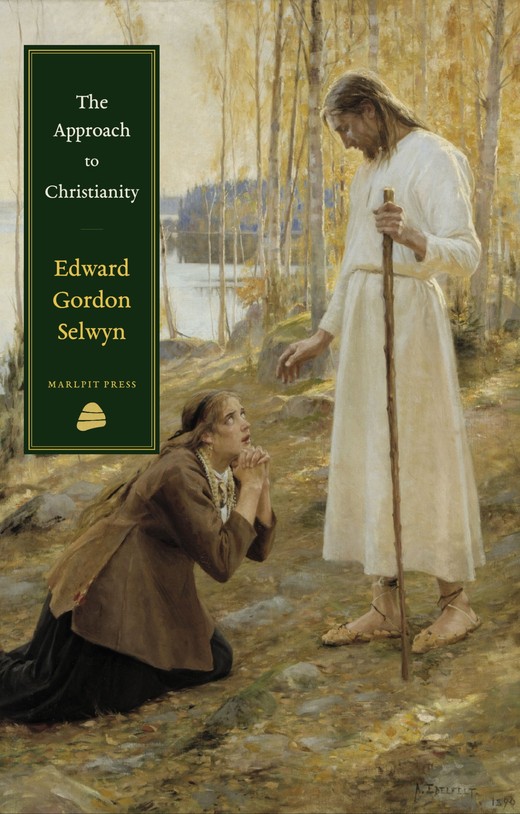
Why the Resurrection is decisive
The Resurrection cannot be reduced to a general claim that the disciples found new courage after Jesus’ death if Selwyn’s account of Christianity is to remain supernatural.
It is therefore a direct test of whether historical criticism and objective Christian belief can coexist.
Historical evidence and metaphysical assumptions
Selwyn’s method gives historical evidence a real role. Gospel traditions, the Passion narratives, apostolic witness, and the development of early Christian belief all require critical examination.
At the same time, he rejects an historical method that treats the impossibility of resurrection as an axiom before the evidence is considered.
The Christ of History
A contemporary review drew attention to Selwyn’s chapter on the “Christ of History.” That choice is revealing because the historical Jesus problem stood near the center of early twentieth-century theology.
Selwyn does not solve the problem by abandoning historical inquiry. He argues that the historical fragments have to be related to the Christ of Faith rather than permanently sealed off from the Church’s confession.
Synoptics, John, and the Church’s memory
Selwyn treats the Synoptic tradition and the Fourth Gospel as different but related witnesses within the Church’s developing memory of Christ.
His larger point is methodological: difference of form or theological interpretation does not automatically mean that the traditions cease to bear historical witness.
A supernatural claim in a critical age
This is why Selwyn belongs in a distinctive strand of Anglican theology. He accepts the critical questions and refuses the automatic anti-supernatural answer.
Readers interested in historical arguments for the Resurrection, modern biblical criticism, and supernatural Christianity can therefore read him as an early attempt to hold those fields together.
Research basis
This note draws on The Approach to Christianity, its index and Marlpit Press edition materials, contemporary 1926 reviews and publisher advertising, and biographical sources on Edward Gordon Selwyn.
- Edward Gordon Selwyn, The Approach to Christianity (Longmans, Green & Co., 1925)
- J. M. Creed, review in The Journal of Theological Studies (April 1926)
- The Churchman, review under “Anglo-Catholic Philosophy” (1926)
- London Quarterly Review, “Theology and Apologetics” review notice (1926)
- Longmans, Green & Co. publisher advertisements for The Approach to Christianity
- Biographical records of Edward Gordon Selwyn and his editorship of Theology
Continue reading
The Approach to Christianity · Edward Gordon Selwyn biography · Christianity & Theology · All research notes