 MARLPIT PRESSIndependent Publisher
Selwyn, Friedrich von Hügel, and Religious Experience
Von Hügel gave Selwyn a way to take religious experience seriously without treating it as either self-authenticating revelation or reducible psychology.
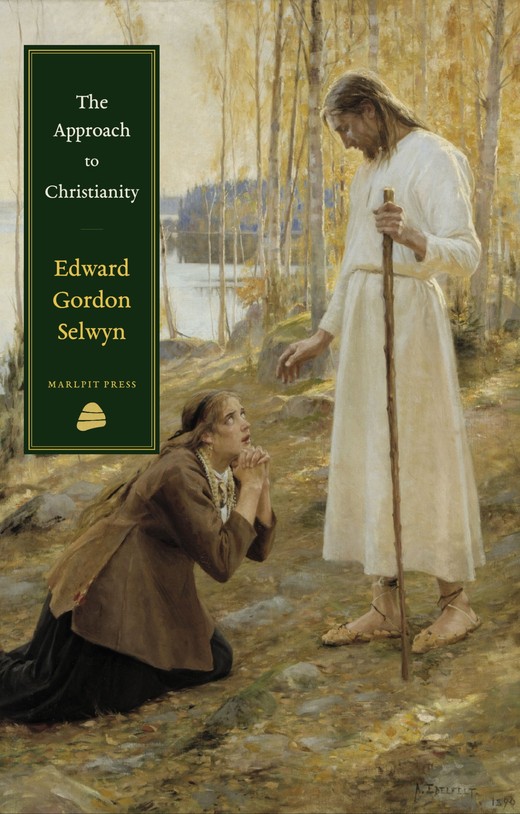
Von Hügel’s place in the book
Friedrich von Hügel appears repeatedly in The Approach to Christianity, and a contemporary review explicitly said that his essays helped give shape to Selwyn’s lectures.
That influence is important because von Hügel stood at the meeting point of Catholic tradition, historical criticism, spirituality, psychology, and philosophy of religion.
Experience as evidence
Selwyn begins from religious experience because Christianity is not only a collection of propositions. Human beings encounter dependence, transcendence, moral demand, worship, conversion, prayer, and holiness.
Those experiences require interpretation. Their psychological conditions do not automatically tell us whether the reality to which they seem to point exists.
William James, psychology, and reductionism
The intellectual world of the book includes William James and the psychology of religion. Selwyn values psychological description while resisting the idea that describing the mechanisms of belief is equivalent to explaining away its object.
That distinction is central to his wider defense of the supernatural.
Experience, tradition, and Church
Religious experience is never the whole of Christianity for Selwyn. It exists within history, doctrine, worship, and an institutional tradition.
This is one reason his theology remains Catholic in structure even while it is open to modern psychology.
Why the combination matters
The resulting position avoids two reductions: faith into private feeling and faith into an external system detached from lived experience.
Selwyn’s synthesis makes religious experience one strand of evidence inside a larger historical and ecclesial account of Christianity.
Research basis
This note draws on The Approach to Christianity, its index and Marlpit Press edition materials, contemporary 1926 reviews and publisher advertising, and biographical sources on Edward Gordon Selwyn.
- Edward Gordon Selwyn, The Approach to Christianity (Longmans, Green & Co., 1925)
- J. M. Creed, review in The Journal of Theological Studies (April 1926)
- The Churchman, review under “Anglo-Catholic Philosophy” (1926)
- London Quarterly Review, “Theology and Apologetics” review notice (1926)
- Longmans, Green & Co. publisher advertisements for The Approach to Christianity
- Biographical records of Edward Gordon Selwyn and his editorship of Theology
Continue reading
The Approach to Christianity · Edward Gordon Selwyn biography · Christianity & Theology · All research notes