 MARLPIT PRESSIndependent Publisher
Religious Reality on War, Labour, Politics, and Work
Rawlinson’s Christianity refuses to remain private. Workplaces, wages, elections, patriotism, military violence, and social reconstruction all become theological questions.
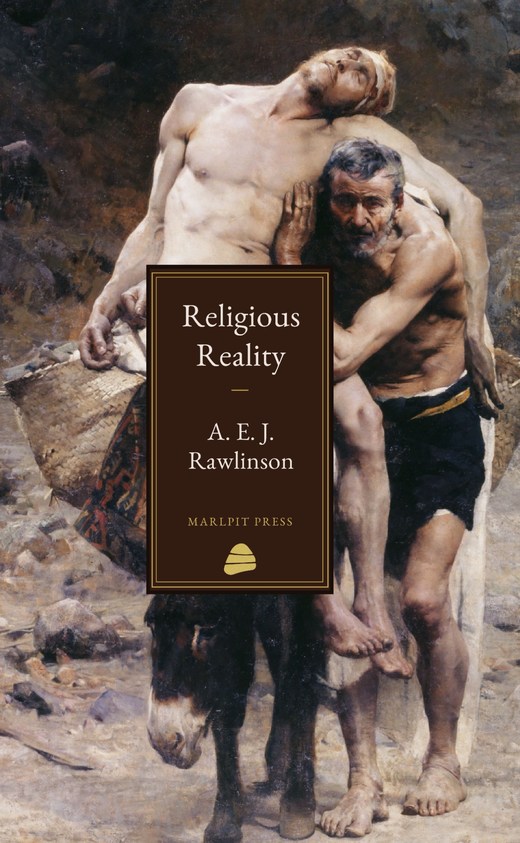
Read the book
A different definition of worldliness
Rawlinson does not primarily define worldliness as dancing, fashion, alcohol, or the other familiar targets of conventional moralism.
For him, worldliness is organizing life without reference to Christ and passively accepting social arrangements that contradict Christian ideals.
Commerce and labour
Economic activity is first a form of social service and only secondarily a means of private enrichment. Profit is legitimate within the prior obligation to provide real goods and services to the community.
Rawlinson criticizes systems that treat labour as a commodity and takes the moral claims of the labour movement seriously, especially solidarity and international brotherhood.
Politics as Christian responsibility
Rawlinson rejects the idea that politics is inherently dirty and therefore beneath serious Christians.
Voting, municipal work, public administration, and social reform can all become forms of Christian service when ordered toward persons and the common good.
War without romanticism
Rawlinson regards war as incompatible with the final Christian vision of humanity. A genuinely Christian international order would have no place for organized slaughter.
Yet he does not conclude that Christians must refuse military force in every historical circumstance. He defended Britain’s entry into the war in 1914 while continuing to condemn war’s brutalizing character.
His sharpest criticism: religious nationalism
Rawlinson is particularly severe about clergy who fuse Christian preaching with patriotic anger.
A Church that becomes the religious voice of national passion loses the independence required to judge the nation by Christian standards.
Research basis
This note draws on Rawlinson’s 1918 book, contemporary reviews, archival records, and modern scholarship assembled for the Marlpit Press research dossier.
- A. E. J. Rawlinson, Religious Reality: A Book for Men (1918)
- The Expository Times, May 1918
- International Journal of Ethics, July 1919
- Timothy E. Daykin, Authority in Liberal Catholic Anglicanism
- Graham Wilcox, study of Rawlinson in the Journal of Anglican Studies
- Durham Cathedral archival catalogue and London Gazette records
Continue reading
Religious Reality: A Book for Men · A. E. J. Rawlinson biography · Christianity & Theology · All research notes