 MARLPIT PRESSIndependent Publisher
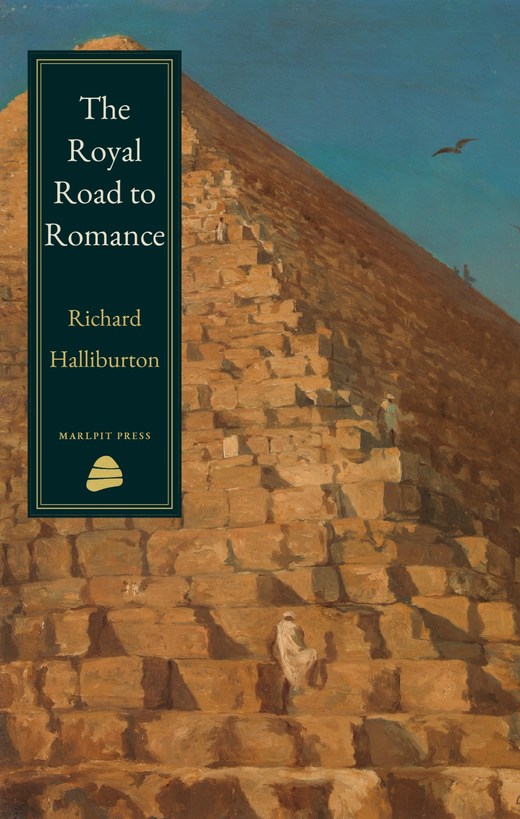
The Royal Road to Romance — Review & Historical Value
Halliburton’s speed, comedy, visual imagination, and contagious appetite for experience survive. So do the blind spots of early-twentieth-century travel writing.
Why it still works
Halliburton is an exceptional narrative organizer. He identifies the memorable scene inside a long journey, enters it quickly, and keeps moving. The result is a book with surprisingly little dead air for a 399-page travel narrative.
He also understands comedy. Arrests, misunderstandings, bad decisions, money problems, and self-inflicted discomfort keep the book from becoming one uninterrupted boast.
The real subject is Halliburton
The book records actual travel, but the deeper subject is Halliburton’s construction of himself as the young man who refuses respectable adulthood.
This is why the prose is so personal. He rarely approaches a place as a detached investigator. He asks what extraordinary experience can happen to him there.
Where it has aged
Foreign cultures sometimes become scenery for personal adventure, and political or colonial structures receive much less attention than beauty, danger, ruins, legend, and spectacle.
Halliburton also traveled with class and national privileges that the narrative seldom analyzes. Modern readers should see these assumptions clearly rather than pretend the book offers neutral ethnography.
Truth and performance
Many of Halliburton’s adventures were real and physically risky. He also became an expert at turning lived experience into publicity and narrative.
The useful distinction is not simply true versus fake. Halliburton’s method lies in the gap between an event as lived and the same event as selected, heightened, photographed, narrated, and sold.
Best way to read it now
Read The Royal Road to Romance as a travel classic, an adventure memoir, and a document of interwar American longing. It tells us about Egypt, India, Japan, and Europe, but it tells us even more about what freedom, youth, and the wider world meant to its author and readers in the 1920s.
Research basis
This note draws on the biographical, publication, and reception research assembled for the Marlpit Press edition.
- Richard Halliburton, The Royal Road to Romance (1925)
- Richard Halliburton Papers, Princeton University Library
- Contemporary reviews and newspaper notices from 1925
- Modern Halliburton biographies and scholarship
- Research dossier supplied for the Marlpit Press edition
Continue reading
The Royal Road to Romance · Richard Halliburton biography · Travel & Adventure · All research notes