 MARLPIT PRESSIndependent Publisher
What William Bolitho Meant by “Adventure”
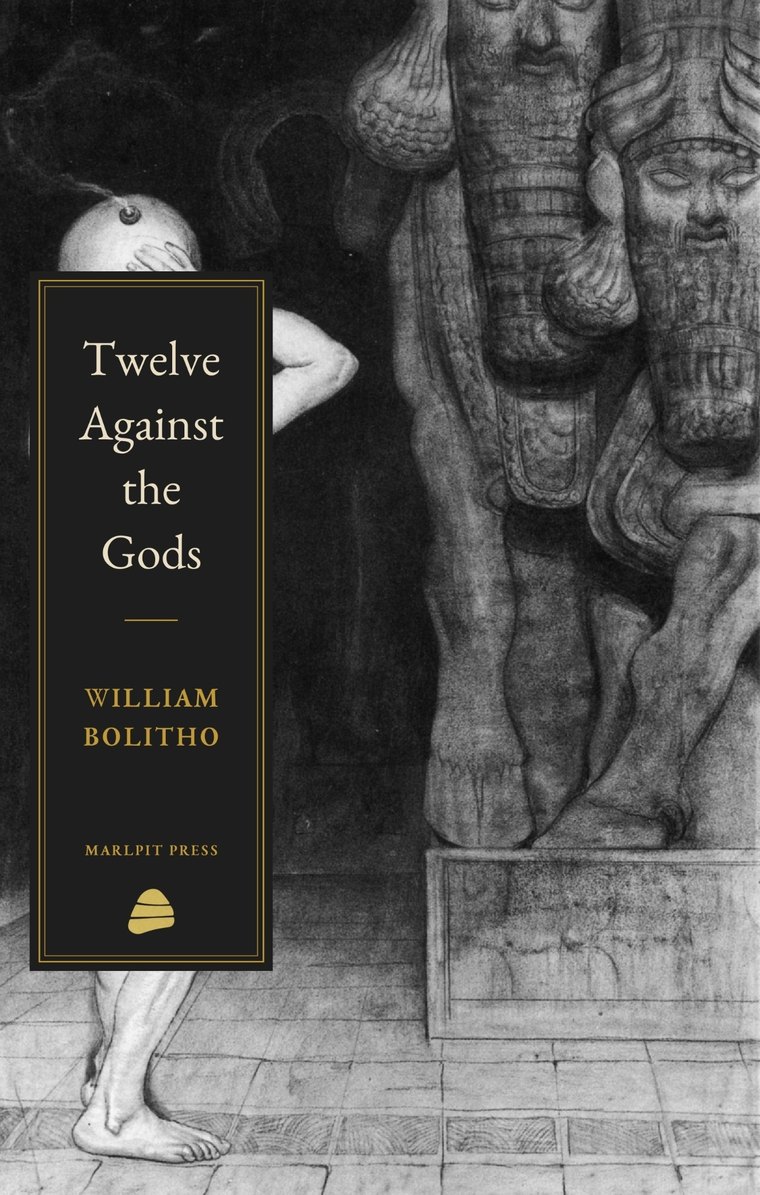
Why does a book about adventurers place Alexander the Great, Casanova, Isadora Duncan, and Woodrow Wilson in the same company? Because William Bolitho was using “adventure” to name a psychology, not an occupation.
Adventure is not travel
Bolitho’s list looks eccentric if an adventurer is assumed to be an explorer, soldier, pirate, or traveler. Christopher Columbus fits easily. Woodrow Wilson does not. That mismatch is deliberate.
Bolitho defines the adventurer by a break with social order. The person becomes interesting when safety, convention, accepted identity, and ordinary ambition are no longer enough. Adventure begins when an individual stakes himself against the conditions that have made him.
The guardian and the rebel
Behind the twelve portraits is a social theory. Human communities need people who preserve accumulated order, but they also need people driven toward what does not yet exist. The guardian protects continuity. The adventurer risks rupture.
Bolitho is fascinated less by moral approval than by energy. His adventurers can be conquerors, impostors, artists, politicians, revolutionaries, or seducers. What links them is the willingness to gamble everything on a personal destiny.
The trap of success
The most interesting part of the theory comes after rebellion succeeds. Once the outsider is recognized, enriched, enthroned, institutionalized, or made respectable, the surrounding world begins to absorb him. Success can turn the rebel into the defender of a new order.
This is why the book repeatedly dwells on the strange moment when triumph damages the person who achieved it. Bolitho’s adventurer is threatened not only by defeat but by victory. The personality built for danger may be unable to survive acceptance.
Why the project suited Bolitho
The book was reportedly assigned to Bolitho by publisher M. Lincoln Schuster, whose firm often conceived nonfiction projects and then found writers for them. Bolitho transformed that commission by applying the habits of his journalism: connect apparently unrelated lives, look for motive beneath event, and treat biography as a route into social explanation.
His own life sharpened the attraction. He had passed through religious training, the catastrophic violence of the First World War, foreign correspondence, political upheaval, and the restless literary world of the 1920s. “Adventure” became a way of thinking about vocation, rebellion, risk, and the price of becoming oneself.
Why reviewers resisted the theory
Contemporary critics often admired the portraits more than the framework. The New Yorker thought Bolitho strongest when narrating his subjects and weaker when pressing them into the theory. TIME found the premise strained while conceding the extraordinary vitality of the prose.
That resistance is useful. Twelve Against the Gods remains enjoyable because the theory never completely controls the lives. The twelve people keep escaping the category designed to contain them, which is rather appropriate for a book about people who refuse categories.
Research basis
This note draws on primary and scholarly material assembled for the Marlpit Press edition and research dossier.
- William Bolitho, Twelve Against the Gods (1929)
- The New Yorker on Simon & Schuster and on the book
- Gilbert Seldes in The Bookman
- TIME contemporary review
- Later journalism history on Bolitho’s interpretive reporting