 MARLPIT PRESSIndependent Publisher
Katharine Anthony and the New Biography
Anthony shared the New Biography’s taste for psychology, compression, and literary portraiture, but her route into the genre began in feminism and social research.
What the New Biography changed
By the 1920s many biographers were rebelling against enormous Victorian lives built from public chronology and reverential documentation. The newer mode preferred compression, irony, intimate detail, psychological interpretation, and a narrative shape closer to the novel.
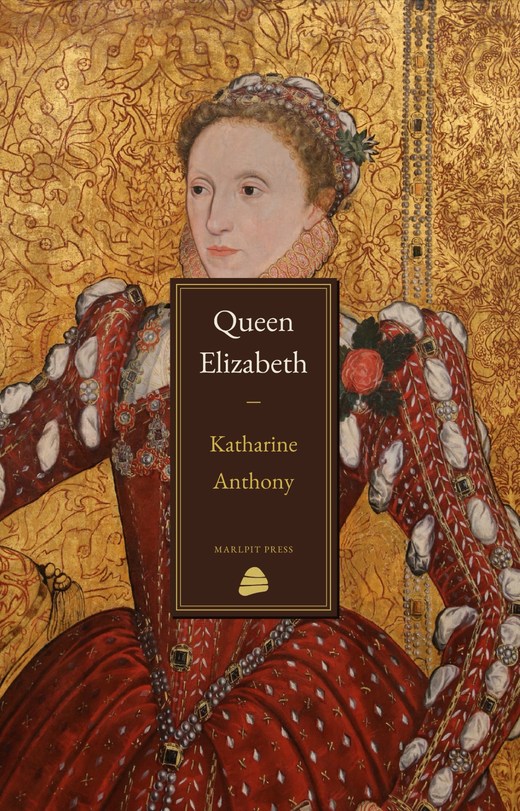
Lytton Strachey became the most famous name associated with the change. His Elizabeth and Essex appeared in 1928, one year before Anthony’s Queen Elizabeth, and Anthony listed it in her bibliography.
Anthony arrived by a different road
Anthony had already been asking questions about women’s lives long before the vogue for literary biography. Her early professional work investigated wage-earning mothers, labor, household conditions, and the social structures governing women’s choices.
She also wrote on feminism and participated in suffrage and labor organizations. That background helps explain why her biographies repeatedly ask what happens when a woman’s ambition, sexuality, intellect, or public authority does not fit conventional expectations.
Psychology becomes biography
Margaret Fuller: A Psychological Biography in 1920 marked the decisive turn. Anthony began treating childhood, family, education, intimacy, and sexuality as historical causes rather than private material to be omitted from a respectable life.
Catherine the Great and Elizabeth I were natural extensions of that method. Both women exercised enormous public power while living inside cultures that defined female identity through marriage, family, sexuality, and dynastic reproduction.
Queen Elizabeth as a New Biography
Anthony’s twelve chapters reveal the method. Several are named for people or relationships rather than institutions: Thomas Seymour, Leicester, Alençon, Mary Stuart, and Essex.
The reign is therefore reconstructed through situations that expose character under pressure. Anthony wants the reader to feel the personality that generated political behavior, even when that means compressing the machinery of government.
The achievement and the risk
The same technique produces the book’s best pages and its most vulnerable ones. A brilliant phrase can make a historical personality suddenly legible, but it can also turn a hypothesis into a verdict.
That tension is why Queen Elizabeth is still useful in the history of biography. It shows the moment when psychological interpretation and literary art enlarged what biography could discuss while simultaneously creating new problems of evidence and certainty.
Research basis
This note draws on the source-critical research assembled for the Marlpit Press edition.
- Katharine Anthony, Queen Elizabeth (1929)
- Katharine Anthony, Writing Biography (1950)
- Anna C. Simonson, Féminisme Oblige (2017)
- Linda Wagner-Martin, Telling Women's Lives (1994)
- Research dossier supplied for the Marlpit Press edition
Continue reading
Queen Elizabeth · Katharine Anthony biography · History & Biography · All research notes