 MARLPIT PRESSIndependent Publisher
The history and biography list is built around strongly interpreted lives. Liddell Hart reads Sherman through the strategic problems of the twentieth century. William Bolitho turns twelve biographies into a theory of the adventurer. Axel Munthe turns his own life into a literary world centered on Capri and Villa San Michele.
These books are valuable partly because their authors do more than record events. They select, arrange, argue, mythologize, and sometimes distort. The accompanying research notes make those interpretive choices part of the reading.
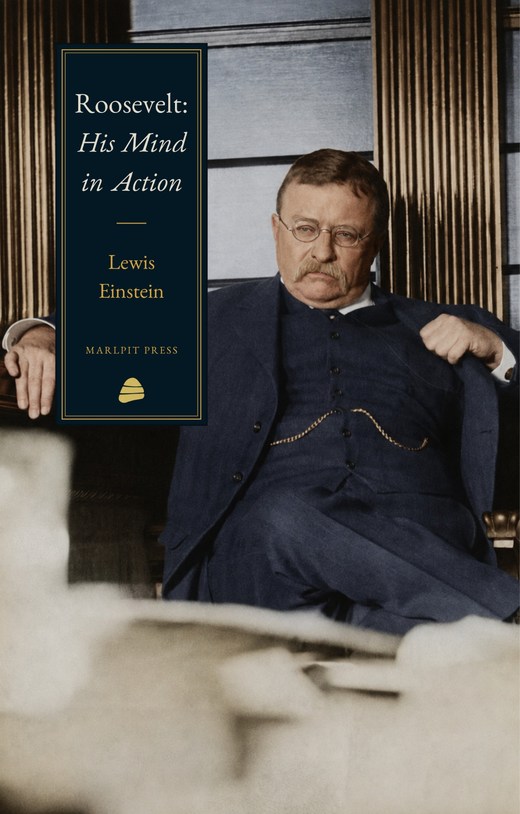
Roosevelt: His Mind in Action
Lewis Einstein
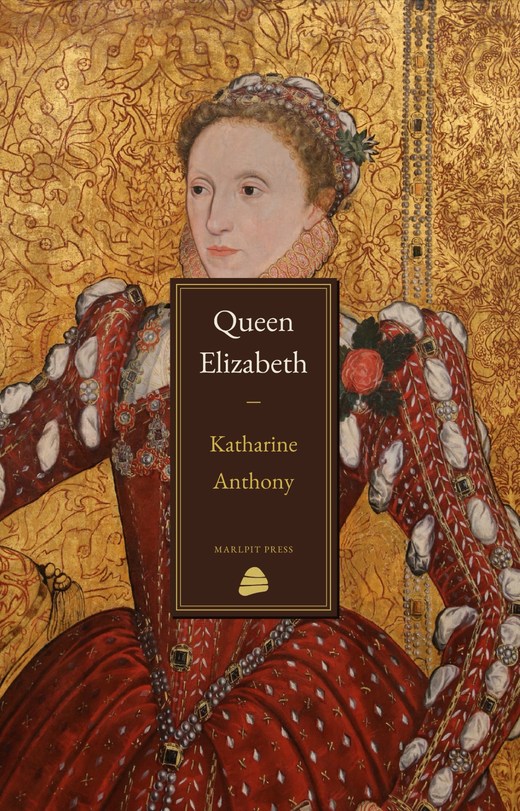
Queen Elizabeth
Katharine Anthony
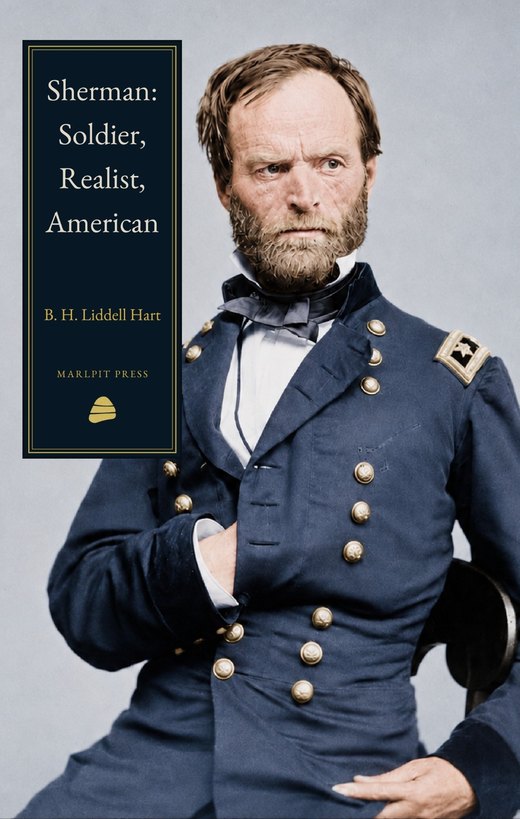
Sherman: Soldier, Realist, American
B. H. Liddell Hart
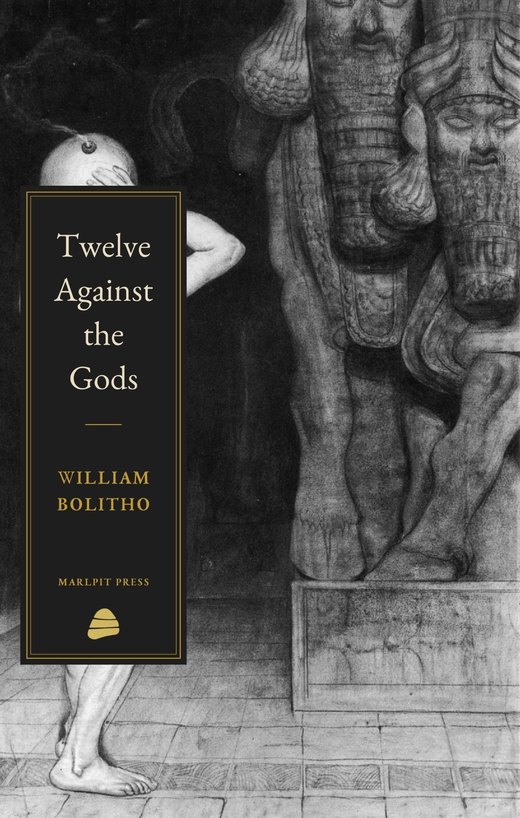
Twelve Against the Gods
William Bolitho
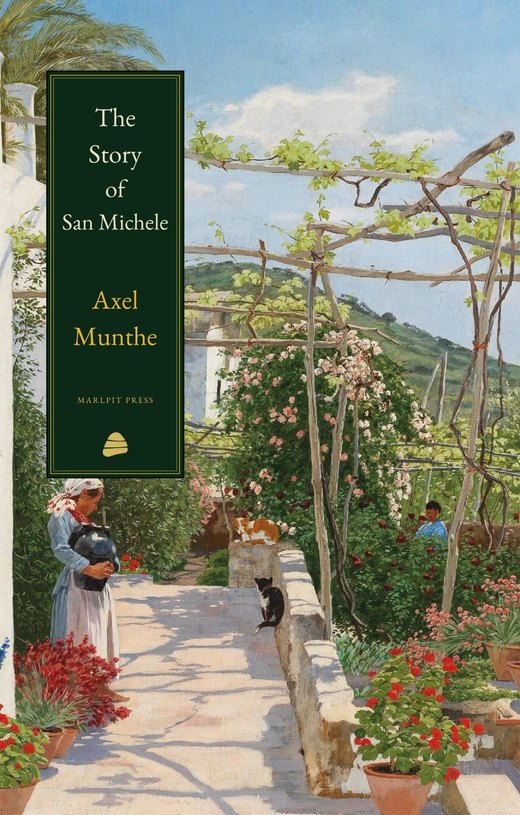
The Story of San Michele
Axel Munthe
Research notes
All notesRoosevelt: His Mind in Action — Review & Historical Value
Why Lewis Einstein’s 1930 psychological portrait of Theodore Roosevelt still matters, where it remains sharp, and where its interwar assumptions show.
Read research noteHow Accurate Is Katharine Anthony’s Queen Elizabeth?
What Anthony gets right about personality and female sovereignty, where her 1929 psychological method overreaches, and why her religious history needs caution.
Read research noteHow Liddell Hart Turned Sherman Into a Strategic Argument
Why B. H. Liddell Hart chose William Tecumseh Sherman, how the 1929 biography shaped his indirect approach, and why later historians read the book critically.
Read research noteWhat William Bolitho Meant by “Adventure”
Why Twelve Against the Gods includes figures from Casanova to Woodrow Wilson and what William Bolitho meant by the dangerous psychology of the adventurer.
Read research noteHow Much of The Story of San Michele Is Autobiography?
How to read Axel Munthe's The Story of San Michele as memoir, literary reconstruction, medical anecdote, fantasy, and self-mythology.
Read research note